
How Often Should Commercial Mops Be Replaced? A Facility Manager's Guide
How Often Should Commercial Mops Be Replaced? A Facility Manager's Guide
If you're still using the same mop head you bought six months ago, it's probably doing more harm than good. A worn mop doesn't just clean less effectively. It can spread bacteria, streak floors, and quietly increase your risk of a slip and fall.
For facility managers running restaurants, schools, healthcare spaces, or industrial floors, knowing when to retire a mop is a small decision with a big impact.
Why Mop Condition Matters
A mop's job is to lift dirt and moisture off the floor and hold onto it until it's rinsed or laundered. Once the fibers break down, fray, or become saturated with residue, the mop starts redistributing dirt instead of removing it.
According to the CDC's guidelines on environmental infection control, a soiled mop head left soaking in dirty solution is itself a source of contamination, and laundering mops and letting them dry between uses helps keep that contamination in check. That's a consideration in any facility, but it carries more weight in healthcare settings, kitchens, or anywhere cross contamination is a real concern.
The type of mop you're using affects how it wears. Dust mops rely on tightly sewn construction and a clean, unbroken surface to trap debris; once the weave loosens, they stop picking up dust and start pushing it around.
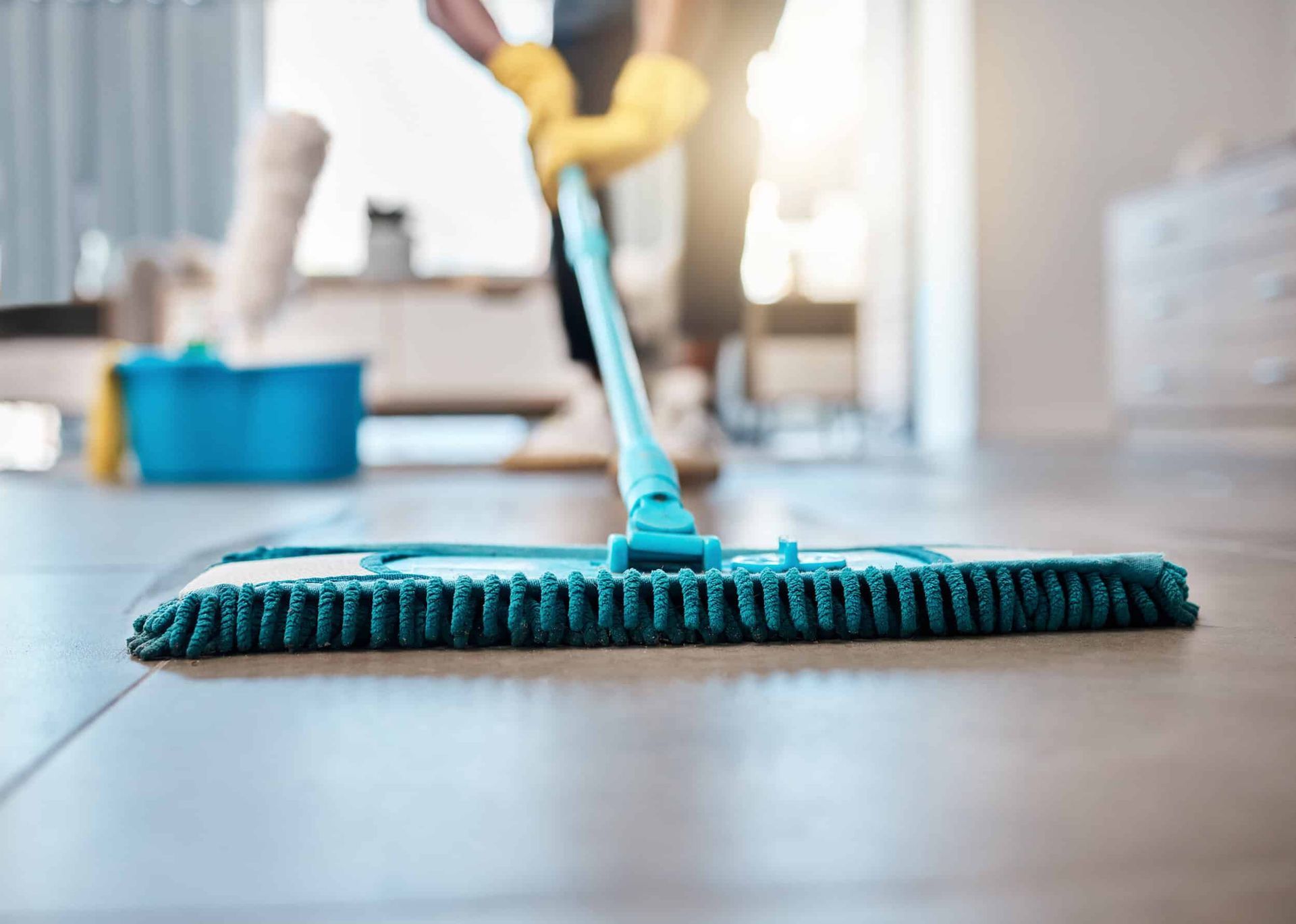
Wet mops need consistent absorbency and looped end construction to perform well and resist snagging, so a frayed or matted wet mop head loses absorbency fast, meaning more passes, more water, and more labor. Micro mops work electrostatically, drawing dirt into the fibers rather than pushing it across the floor, which only works if the microfiber is clean and structurally intact.
Signs a Mop Needs to Be Replaced
You don't need a strict day count if you know what to watch for:
· Visible fraying, matting, or thinning of the mop head
· Persistent odor even after cleaning
· Streaking or residue left behind on the floor
· Reduced absorbency, where you're mopping the same area multiple times
· Discoloration that doesn't wash out
If any of these show up regularly, that mop has reached the end of its usable life, regardless of how long you've had it.
Why Guessing Isn't a Great Strategy
Most facilities don't have time to inspect every mop head on a rotation, so worn mops often stay in service far longer than they should, usually discovered only after a complaint, an inspection, or a fall.
This is exactly the problem a managed mop program solves. Instead of guessing when to replace equipment, Liniform provides dust, wet, and micro mops as part of a scheduled service. We deliver clean, inspected mop heads and pick up the worn ones on a regular basis, so your floors are always being cleaned with equipment that's actually doing its job.
There's no minimum order, so whether you need a handful of mop heads or enough for a multi-location operation, we can scale to fit.
Mops are inexpensive compared to the cost of a slip and fall claim or a facility that just doesn't look as clean as it should. A simple visual inspection habit, or a managed service that handles the rotation for you, keeps your floors consistently clean without adding another task to your team's plate.
Keep Your Facility Stocked with Clean, Ready-to-Use Mops
Don't wait until worn mop heads affect the appearance or safety of your facility. With Liniform's scheduled mop service, you'll always have clean, professionally maintained dust, wet, and microfiber mops delivered when you need them.
Contact Liniform today to learn more about our mop rental programs and find a service schedule that fits your facility. Our team proudly serves businesses throughout Northeast Ohio with dependable, responsive service.